PRATAMA DENNY RIEZKI (Graduate School of Integrated Sciences for Global Society)’s paper has been accepted for Southeast Asian Studies.
Congratulations!
Authors
Denny Riezki Pratama
Affiliation
Graduate School of Integrated Sciences for Global Society,
Department of Integrated Sciences for Global Society
Manuscript Title
Eroding the Ethics: Resource Extraction, Water Infrastructure, and Insecure Farmers in Indonesia
Abstract
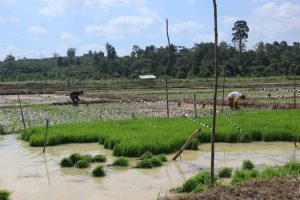
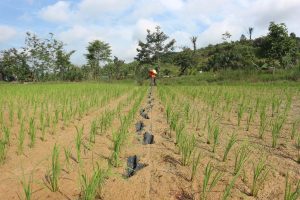
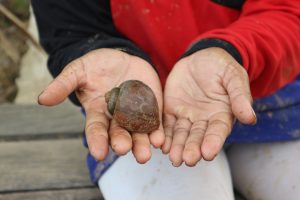
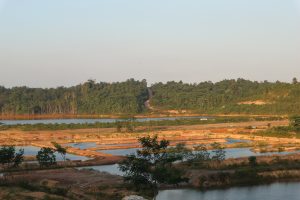
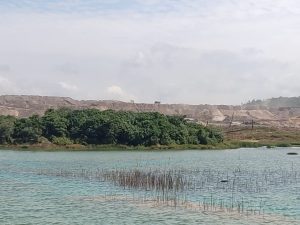
This article examines the effects of coal-mining water infrastructure on the waterscape, farmers’ practices, and ethics in East Kalimantan, Indonesia. Focusing on the Pond, a water infrastructure built by a coal mining company, the study reveals its contradictory effects on the local waterscape. Rather than effectively managing wastewater, the Pond produces inconsistent water supply. It generates conflict between farmers and the mining company, creating unequal relationships and increasing vulnerability and dependence. Ecological changes and water uncertainties compel farmers to alter their pest-control practices, compromising their ethic of sama-sama cari makan (“foraging together,” or “surviving together”). Closely connected with Islamic values and local mythology, this ethic promotes thoughtful pest-control practices as it recognizes the existence of pests as rightfully equal to humans in the farm ecosystem. This ethic of relatedness is possible through and within watery connections. This article highlights forms of slow violence, showing how the Pond, as extractive infrastructure, disrupts the waterscape, generates insecurities, and erodes ethics. In a broader context, it explores human-water relationships amid large-scale resource extraction and development in Indonesia.
Journal name
Southeast Asian Studies
Relevant SDGs
SDGs2 (Zero Hunger); SDGs6 (Clean Water and Sanitation); SDGs15 (Life on Land)
Comments
Please allow me to share my newly published article, based on research conducted between 2022 and 2024 in East Kalimantan, Indonesia. I hope it will contribute to the study on resource extraction and water and provide new insight into the discussion about infrastructure and ethics.