Ms. Nishioka Reina
Part-time Lecturer at Kyushu University and Kyushu Sangyo University
Musician
2017 Graduated from the Department of Piano, University Mozarteum Salzburg,
Austria
2021 Completed the Master’s Program in Piano Performance (Piano Soloist Major),
University Mozarteum Salzburg, Austria
2021 Enrolled in the Doctoral Program in Design, Graduate School of Design,
Kyushu University
2021 Started receiving SPRING Program support
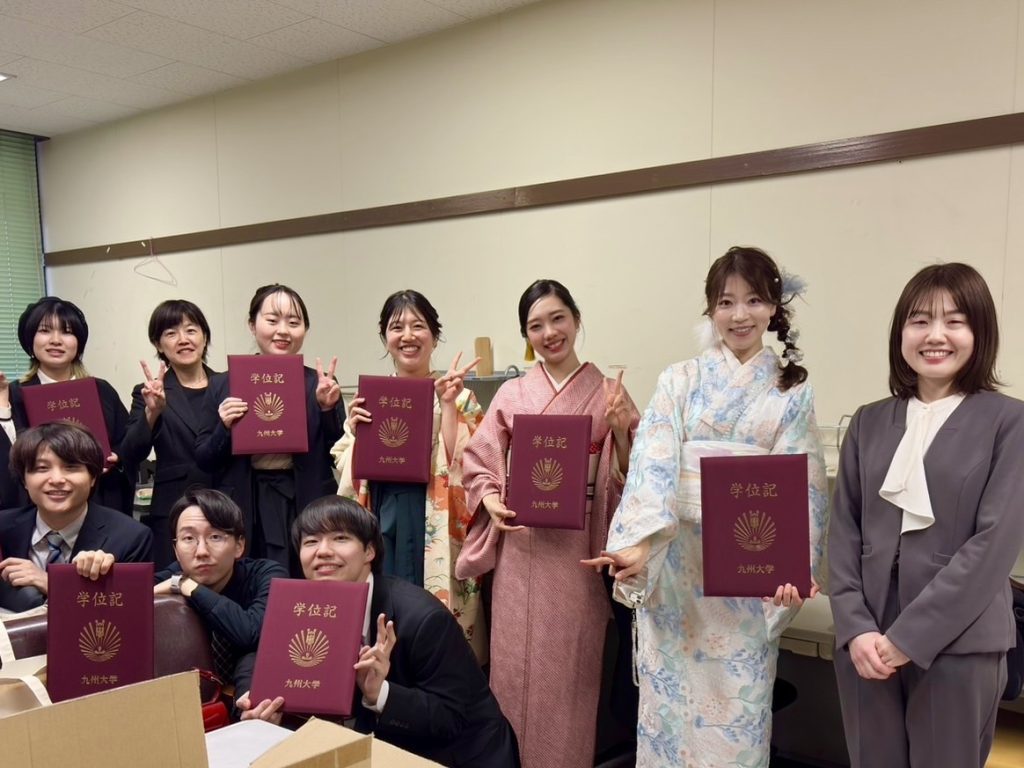
2025 Completed the Doctoral Program in Design, Graduate School of Design,
Kyushu University
Present Since 2024: Part-time Lecturer at Kyushu University
Since 2025: Part-time Lecturer at Kyushu Sangyo University
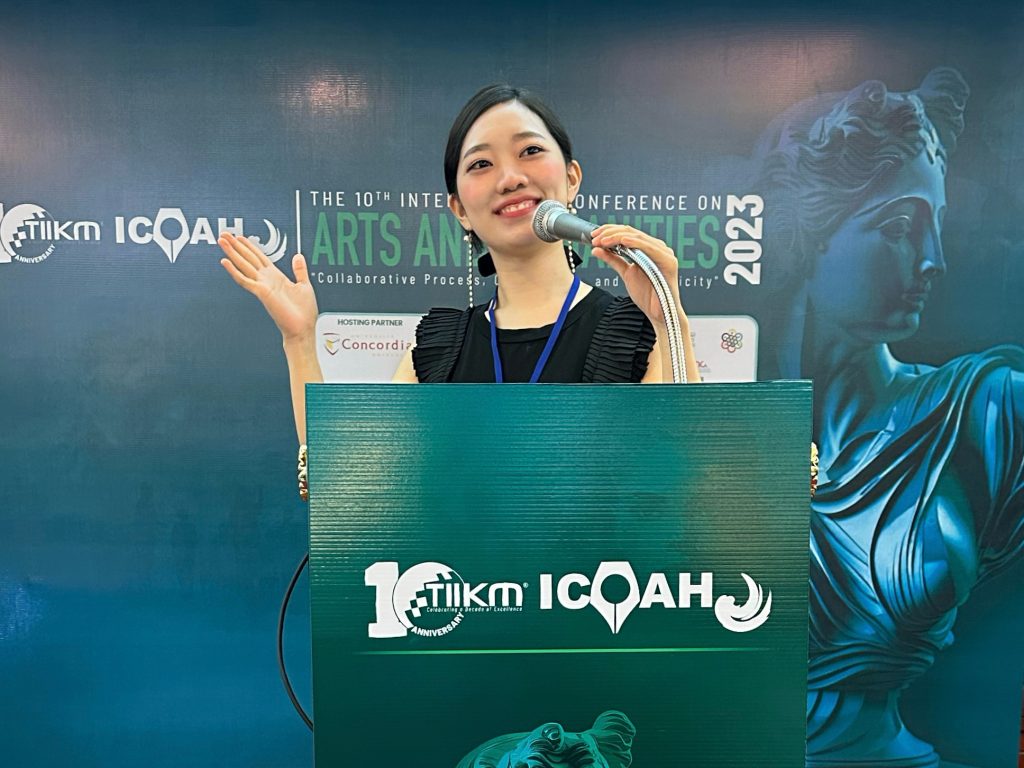
Actively engaged in musical activities, including performance,
piano instruction, and serving as a competition adjudicator
▷Affiliation While Enrolled in the SPRING program
Graduate school of Design, Department of Design
▷What motivated you to pursue a doctoral program? Please share the thoughts or experiences that led to your decision.
After graduating from high school, I moved to Austria to study at a university there in order to further develop my piano performance skills. I continued my training through graduate studies and remained in Austria until February 2021. While I hoped to deepen my artistry in Europe, the COVID‑19 pandemic from 2020 onward drastically changed the environment surrounding musical performance. At the same time, it prompted me to reconsider the social role and significance of music. Recognizing the need to reexamine the relationship between music and society—an area that had not been widely explored—I decided to pursue an academic research path.
▷Among the experiences, skills, and networks you gained during your doctoral studies, which ones do you feel have been particularly useful in your current career?
During my doctoral studies, I developed the ability to articulate my own artistic practice and to share it effectively with others. The logical thinking and communication skills I cultivated through research have also enriched my work in performance and education. My dissertation, which focused on music competitions, allowed me to reexamine how musical performance is evaluated and valued, offering new perspectives on my own approach to performance. The opportunity to engage with people from diverse fields through my research has also been an invaluable part of this journey.
▷What challenges or difficulties did you face during your doctoral studies? Please tell us how you overcame them.
During my doctoral studies, I often struggled to balance the intuitive, embodied practice of being a performer with the objectivity and analytical rigor required in academic research. As I confronted questions with no clear answers, I learned to revisit my thoughts in my own words through ongoing dialogues with my advisor, Professor Nishida, as well as peers and colleagues in the music field. Although there were periods when my progress felt elusive and frustrating, these repeated cycles of trial and reflection ultimately strengthened my perspective on the relationship between music and society and cultivated a deeper sense of patience and resilience within me.
▷How did obtaining your Ph.D. and participating in the SPRING program influence your perspective on your career and your approach to research?
Through earning my doctorate and participating in the SPRING program, I came to recognize more deeply that research is an activity intrinsically connected to society and one that finds meaning in being returned to it. Having opportunities to apply the skills developed through research in performance and educational settings helped shape my view of a career as something that extends outward to society while continuing to deepen one’s expertise. The commitment to continually holding questions has become a core foundation that sustains my current artistic and academic work.
▷Please share a message or advice for junior students who are considering pursuing a doctoral program or applying to the SPRING program.
In the doctoral program, I found not only a place to deepen my research but also an environment that greatly broadened my perspective. SPRING provided an institutional framework that supported this process, giving me the time and opportunities to fully engage with my research. Through exchanges with researchers from diverse fields and participation in various programs, I gained valuable experiences that allowed me to reexamine both my research and my practice from multiple angles. I believe that the process of continuously engaging with my own questions will serve as a solid foundation as I consider my future path. I truly wish everyone the very best in their own pursuits and challenges.